Parlour to Glen
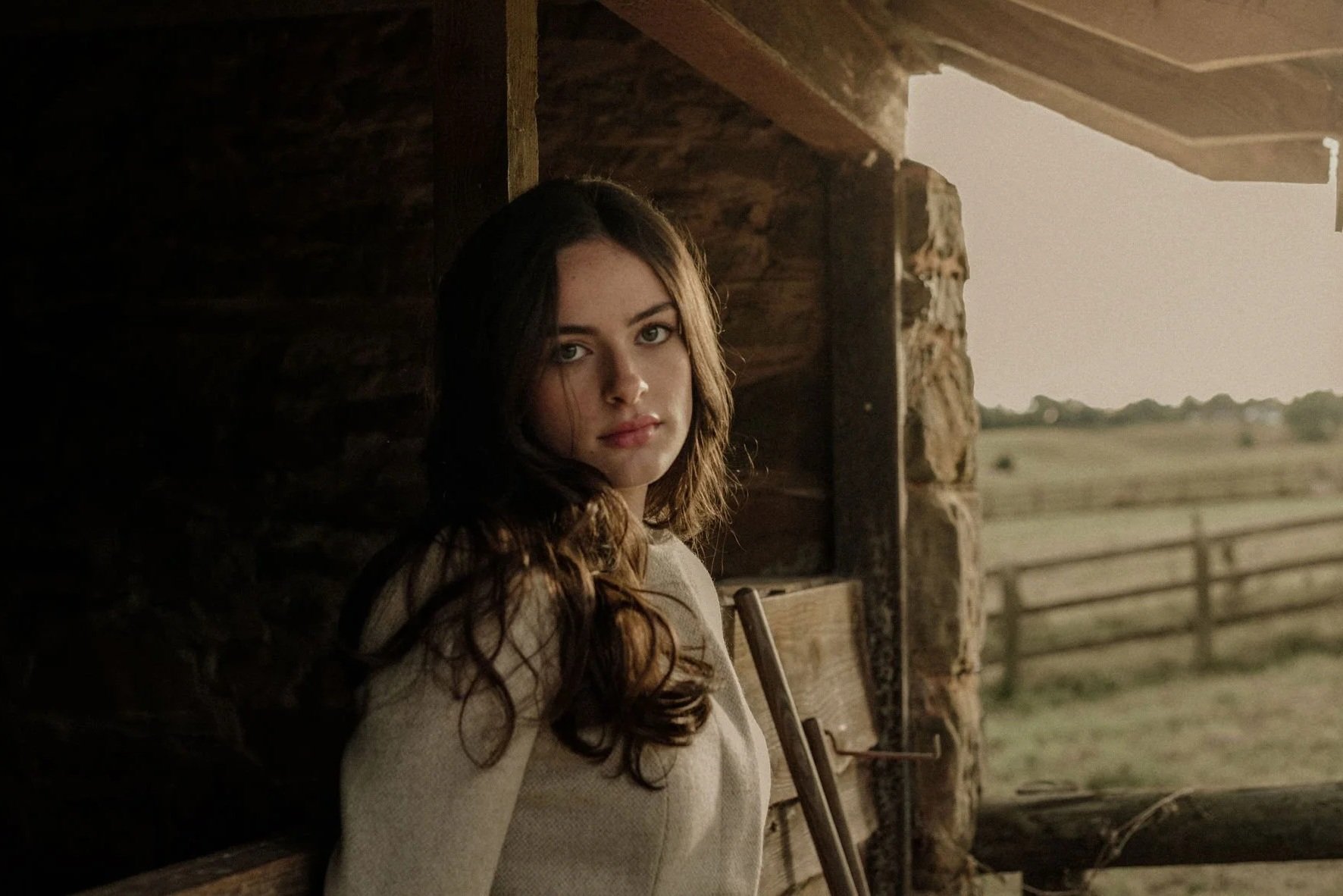
Our clothes are born between two literary worlds.
Jane Austen — writing at the close of the Regency era — and Emily Brontë — emerging at the dawn of the Victorian age. Two women shaped by different landscapes, different temperaments, and different social worlds. Yet bound by the same quiet defiance: the refusal to let creativity be confined by the limits placed upon them.
This tension — refinement and wildness, hearthside and hillside, parlour and glen — lives at the heart of our creations.
Jane Austen’s world was one of candlelit rooms, fine manners, carefully structured society. Her brilliance lay in subtlety: in the soft power of observation, wit, and emotional restraint. Her stories unfold indoors — around firesides, tea tables, and drawing rooms.
Emily Brontë belonged to the open land. Her writing was shaped by wind, weather, and wild moorland. Wuthering Heights is a novel of raw emotion, untamed landscapes, and human nature stripped of polite polish.
Our clothing walks between these two spaces.
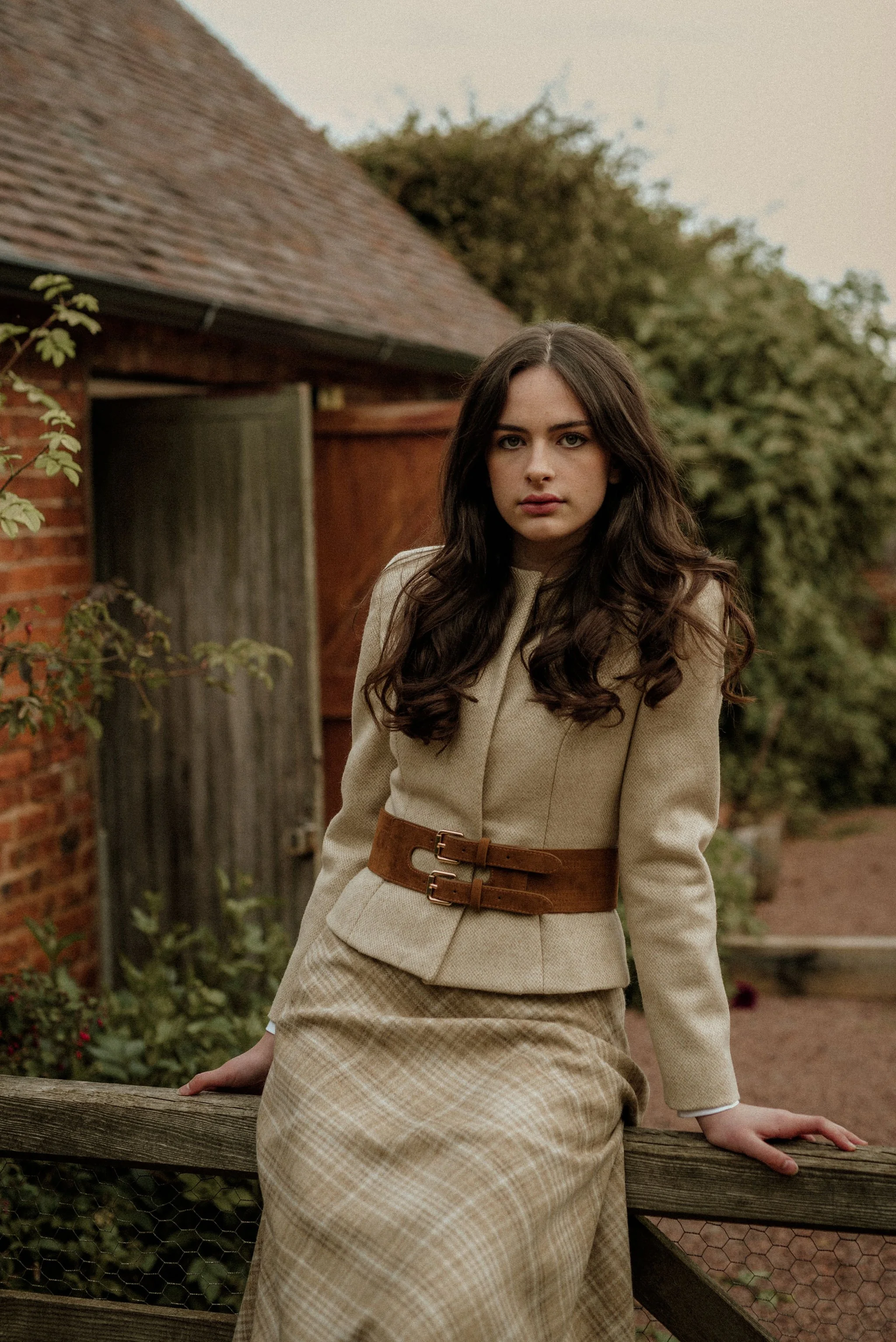
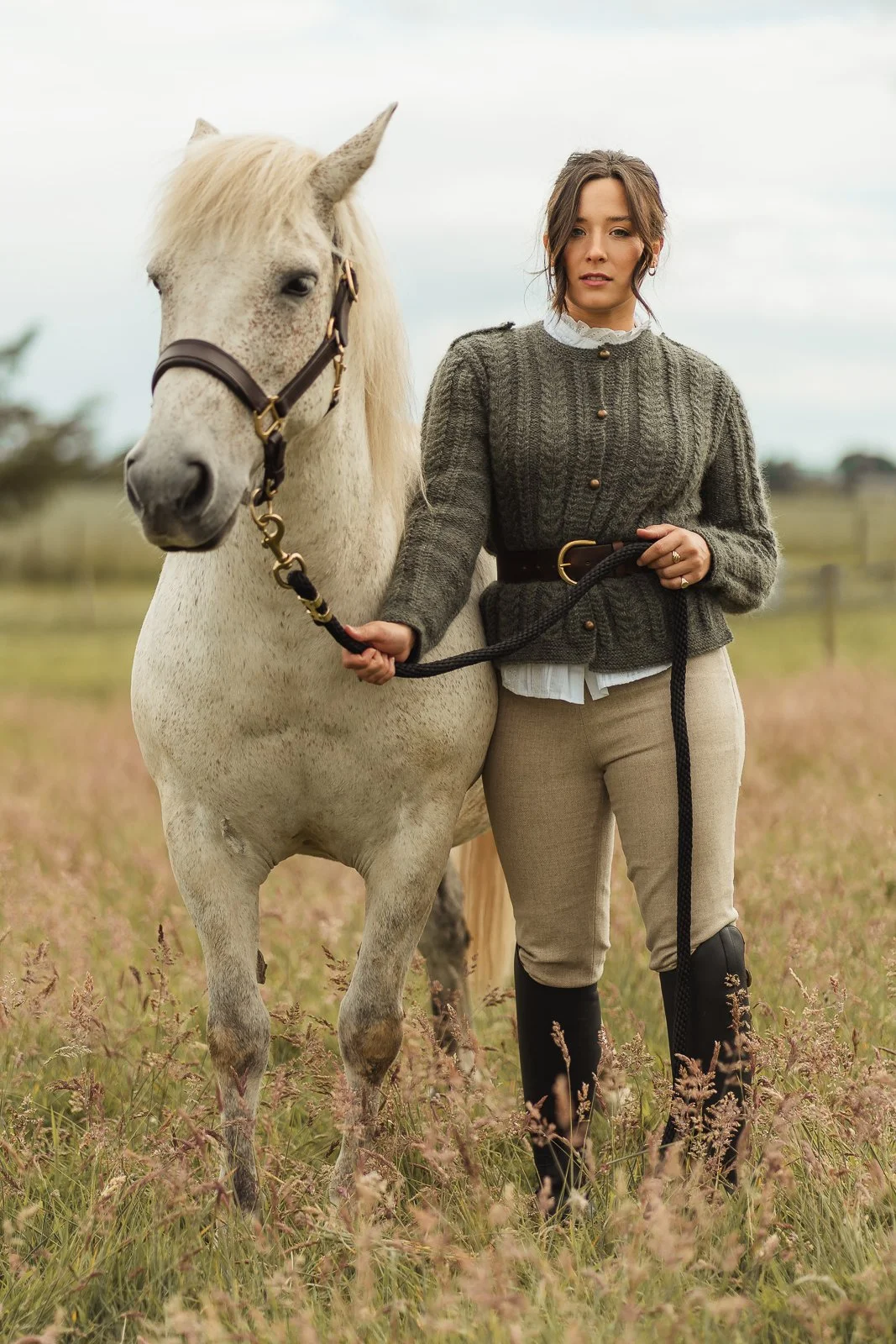
From the warmth of the parlour — tailored silhouettes, soft textures, refined lines — to the freedom of the glen — rugged tweeds, flowing movement, weather-ready wool, and garments shaped by land rather than trend.
It is clothing designed to move between worlds, just as women always have.
Move Between Worlds
“Time is not a straight line, but a dance.”
Neither Austen nor Brontë lived in a world that encouraged women to be professional artists. Both published anonymously. Both wrote under social limitation. One gained modest recognition. One did not live long enough to see hers.
Yet both created work that endured.
Wool shares this same quiet resilience.
Often undervalued in modern fashion. Frequently replaced by faster, cheaper fibres. Yet when cared for properly, wool lasts decades — sometimes generations. It breathes, warms, protects, and ages beautifully.
Like their literature, it does not shout. It endures.
At Goatherdess, we believe time is not linear. It does not move neatly forward and forget what came before. It circles. It echoes. It dances.
The challenges faced by Austen and Brontë — being heard, creating meaningfully, working slowly in a world that demands speed — feel strangely familiar today.
And so does the work of wool.
Once again we are asking people to reconnect with natural materials. To value craftsmanship over convenience. To choose garments with stories, not seasons.
Our clothes do not recreate the past. It converses with it.
Where Time Dances



“Wool is Timeless - Grown by the Past, Shaped by the Present, and Carried into the Future”

Every piece begins on our land — with rare breed sheep and Angora goats, raised slowly, ethically, and with respect. Their fibre carries the landscape within it: the weather, the grass, the seasons, the hills.
From there, the wool becomes cloth. The cloth becomes garment. The garment becomes story.
Just as Austen turned domestic spaces into places of power.
Just as Brontë turned wild landscapes into emotional language.
Our clothes carry both.
This is not costume. This is continuity.
A living thread that connects literature, land, women’s work, natural fibre, and slow making.
Different centuries.
Different voices.
The same enduring story — woven now into cloth.