

The Straw Bonnet: How a Simple Field Material Became a Regency Icon
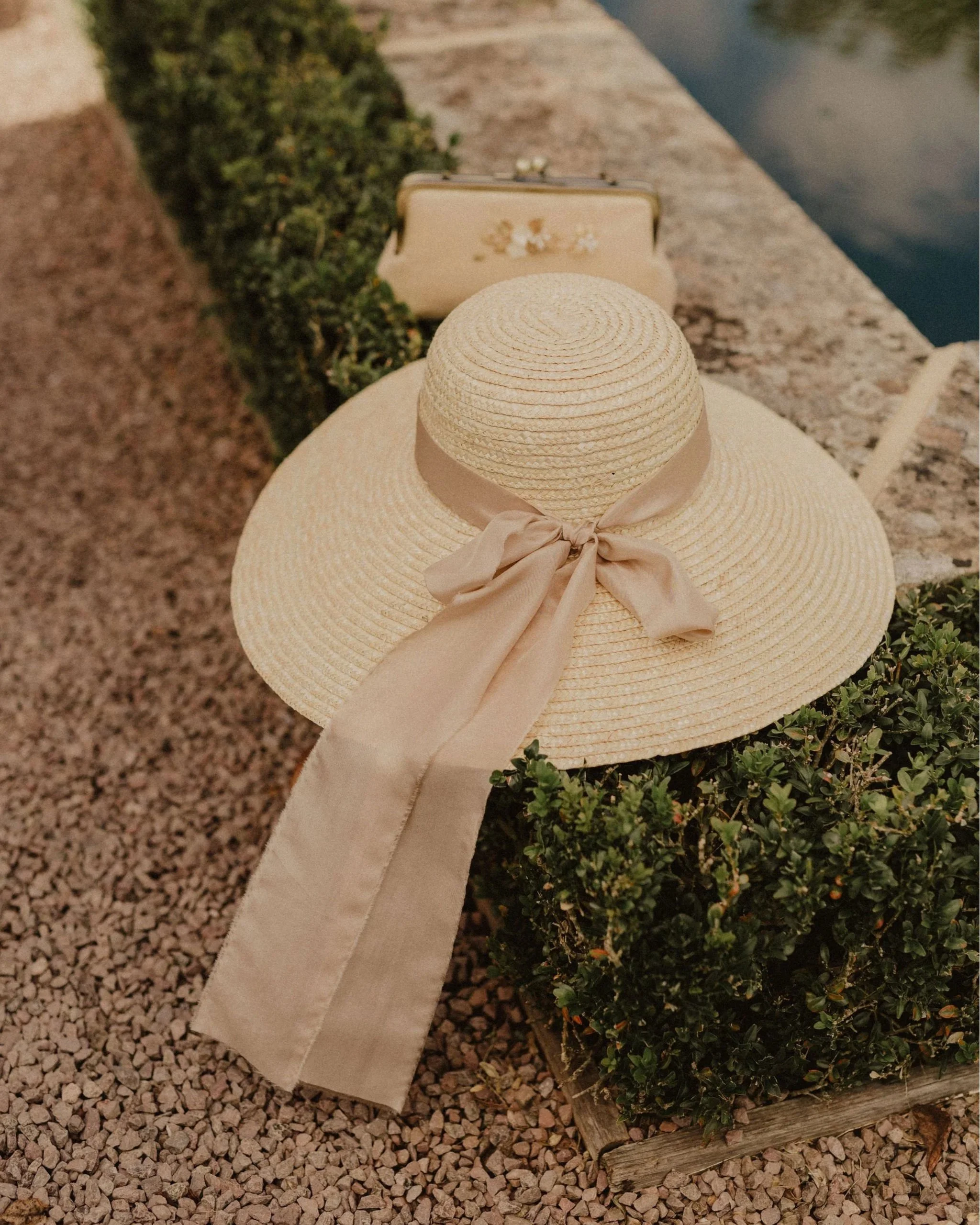
Goatherdess straw Sun Hat with plant dyed silk ribbon
Before it crowned garden promenades and carriage rides…
before ribbons fluttered beneath soft chins and wide brims cast porcelain shadows…
straw belonged to the fields.
Long before the Regency era, rural communities had plaited straw out of necessity. After harvest, the pale golden stalks left behind were too valuable to waste. Women and children learned to twist and braid the dried wheat into ropes, baskets, and eventually hats — simple shapes worn by labourers to shield their faces from the sun.
But in the late 18th century, something quietly changed.
As Britain entered a period of romantic idealism, society began to look to the countryside not only for food — but for inspiration. Nature became fashionable. Simplicity became beautiful. And the humble straw hat crossed an invisible boundary, stepping from field to fashion.

From Farmland to Fashion
By the 1790s, straw hats and bonnets began appearing in the wardrobes of middle and upper-class women. What had once been purely practical was reimagined as elegant.
The reason was both poetic and practical.
Regency fashion embraced lightness. Gone were the heavy wigs and towering headpieces of earlier Georgian decades. In their place came flowing muslin gowns, high waistlines, classical silhouettes — and headwear that echoed this softness.
Straw was perfect.
It was light on the head, breathable in summer heat, and capable of being shaped into graceful wide-brimmed bonnets that framed the face like a portrait. Most importantly, it offered protection from the sun — preserving the pale complexion that symbolised refinement and leisure.
To walk beneath the summer sky with a straw bonnet was to signal gentility without stiffness. It was elegance that moved.
The Regency Love Affair With the Countryside
The popularity of the straw bonnet cannot be separated from the era’s romance with rural life.
Country walks, garden visits, sketching outdoors and afternoon rambles became fashionable pastimes. Literature and art celebrated shepherdesses, pastoral scenes and gentle domestic country living. Even city ladies wished to dress as though they might wander into a meadow at any moment.
Straw, golden and natural, embodied this ideal.
A bonnet trimmed with silk ribbon or small flowers created the perfect balance: nature refined by handcraft. It was not rustic — but softly pastoral. Not grand — but graceful.
Craft, Community and Cottage Industry
Many Regency straw bonnets were made through cottage industries. In parts of England, particularly Bedfordshire and Hertfordshire, entire communities specialised in straw plaiting. Women and children worked at home, braiding lengths of straw which were then sold to milliners and shaped into bonnets.
This made straw hats both fashionable and accessible.
While wealthy women wore finely plaited imported straw trimmed with lace and silk, simpler versions allowed middle-class women to participate in the trend. The straw bonnet became one of the most socially shared fashion pieces of the era.
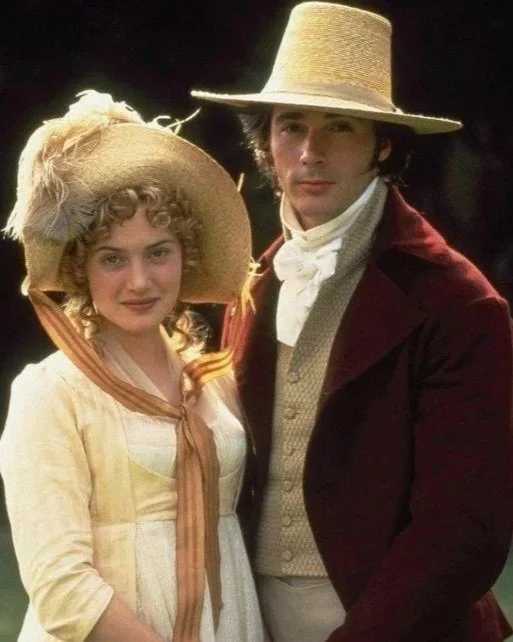
Photo: Sense and Sensibility
A Frame for the Face
More than anything, the straw bonnet became beloved for how it transformed the wearer.
The wide brim softened sunlight across the cheeks. Shadows danced gently over eyes. Ribbons tied beneath the chin created a portrait-like frame — intimate, romantic, unmistakably Regency.
It is why we still associate this silhouette with Austen heroines strolling garden paths and standing at countryside gates, waiting for letters, for news, for love.
A Timeless Return
Today, the straw bonnet speaks to something deeper than fashion.
It reminds us of slower living. Of seasonal dressing. Of materials grown by the land and shaped by hand. Of clothing made to walk in, to wander in, to live in.
At Goatherdess, our straw bonnets are inspired by this very spirit — a bridge between parlour refinement and glen freedom. A piece that belongs equally to hearthside tea and open-air rambling.
Because some things were never meant to disappear.
They were only waiting to be rediscovered.